Receiving Form 1099-DA may feel like your crypto tax reporting is covered, but that assumption can create a serious reporting gap. The form is mainly designed to report certain digital...
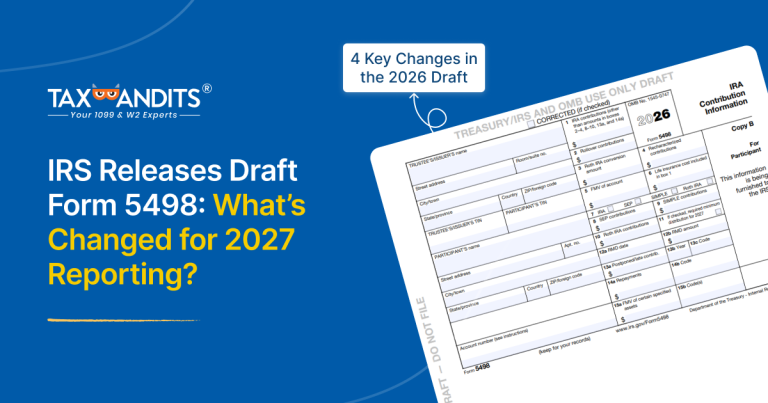
When you contribute to a tax-advantaged account—whether it’s for retirement, healthcare, education, or disability savings—the IRS needs to know about it. That’s exactly what the 5498 series of forms is....
Understand how Form 1099-DA differs from Form 1099-B and how the IRS is changing crypto tax reporting. Learn the key differences in cost basis reporting, wash sale rules, and digital asset transaction reporting.
Every spring, millions of IRA holders diligently gather their W-2s, 1099s, and various tax documents to file their returns. And then, just when they think they’re done, another envelope arrives...
If you traded, sold, or exchanged cryptocurrency in 2025, your tax situation just got a lot more structured. For the first time, centralized crypto exchanges are required to report your...
Every year, eligible educational institutions are required to file Form 1098-T, the Tuition Statement, with the IRS and furnish a copy to their enrolled students. While it may seem like...
Form 1099-B, formally titled Proceeds From Broker and Barter Exchange Transactions, is an information return filed by brokers and barter exchanges directly with the IRS. The taxpayer doesn’t file it;...
If you’re an insurance company, governmental unit, or viatical settlement provider paying long-term care benefits, Form 1099-LTC is your reporting responsibility, and getting it right matters. Form 1099-LTC is an...
Selling an investment often feels like a financial checkpoint. Whether you secured a gain or adjusted your portfolio strategy, your focus usually remains on performance and planning ahead. What often...